
Okay, so check this out—when I first dipped my toes into the Solana ecosystem, something felt off about the usual crypto wallets. They were clunky, slow, and honestly, kind of a pain to use. Then I stumbled on this thing called phantom. Whoa! It wasn’t like the others at all. Fast, sleek, and it just got how people want to interact with DeFi on Solana. Seriously, it felt like the wallet was designed by people who actually use Solana, not just tech geeks trying to impress each other.
Shortly after, I started realizing that the way we approve transactions here is kinda revolutionary. You don’t get bombarded with endless pop-ups or confusing jargon. Instead, the process feels intuitive. I mean, approving a transaction should be quick, right? Not an ordeal. But wait—let me rephrase that… it’s not just quick; it’s secure without making you jump through hoops. That balance is tricky. Most wallets either sacrifice speed for security or vice versa.
Here’s the thing. On one hand, Solana’s blazing speeds promise seamless interactions. Though actually, the ecosystem’s real charm lies in how wallets like phantom make these interactions feel natural, not robotic. You can almost forget you’re dealing with blockchain tech. It’s not perfect—there are still occasional hiccups, especially when networks get congested—but it’s miles ahead of where we were even a year ago.
So, I was curious about how phantom manages to keep that smoothness while handling all the complex cryptography behind the scenes. Turns out, it leverages Solana’s unique architecture, which prioritizes speed and low fees, making real-time DeFi accessible to everyday users. This is a big deal because, honestly, many other ecosystems still feel stuck in the slow lane.
Really? Yeah, it’s that noticeable. And that got me thinking about the broader implications for Web3 adoption.
Now, I’m biased, but here’s what bugs me about most crypto wallets: they act like gatekeepers instead of enablers. Phantom flips that script by letting you dive right into the action without a steep learning curve. That’s huge for new users who just want to mess around with DeFi apps on Solana without pulling their hair out.
Honestly, the transaction approval flow is where phantom shines brightest. You get clear, concise prompts that explain what you’re signing, no confusing legalese or scary warnings that make you hesitate. Plus, the wallet integrates smoothly with tons of Solana dApps, so switching between apps feels like flipping pages in a book rather than launching separate programs.
Oh, and by the way, phantom isn’t just about convenience. It’s also about control. You decide what gets approved and when, with full transparency. This level of user empowerment is still pretty rare in crypto. Some wallets either automate too much or leave you in the dark. Phantom strikes a nice middle ground.
It’s funny—initially I thought all wallets were basically the same, just with different skins. But after spending real time with phantom, I realized how much difference the user experience makes. The wallet's creators clearly dig into the nuances of Solana’s ecosystem and design with the end-user in mind.
Check this out—
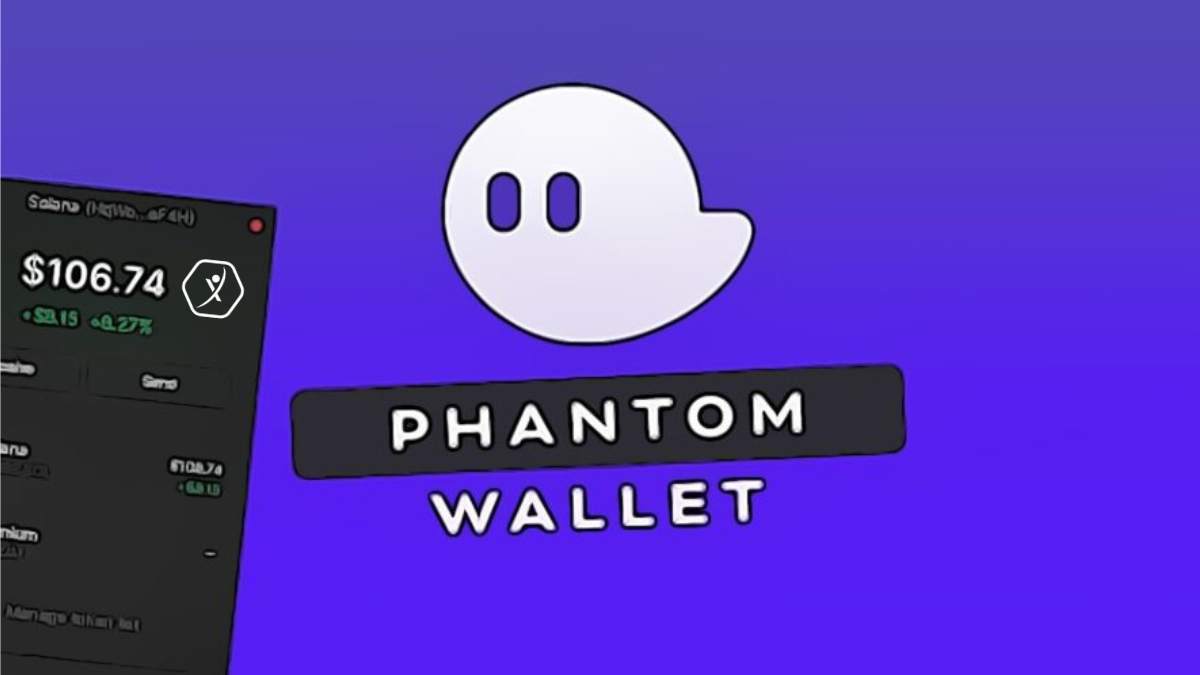
That interface? Clean, right? Not overwhelming, but packed with info if you want it. This kind of design invites exploration instead of scaring people off.
Why Web3 Connectivity on Solana Feels Different
Something else caught my attention. The way phantom handles connectivity to Web3 apps is impressively reliable. I’ve used other wallets where connections drop randomly or you have to constantly re-authenticate. With phantom, connections tend to stick unless you deliberately disconnect. It’s a subtle difference, but it changes the whole vibe.
My instinct said this was because phantom really embraces Solana’s fast confirmation times. Instead of waiting forever for approvals, you get near-instant feedback. That’s critical when you’re juggling multiple DeFi positions or NFT bids.
Of course, this ease comes with its own risks. Faster approvals mean you have to be extra vigilant about what you’re signing. Phantom addresses that by offering detailed transaction previews and letting you reject anything fishy. Still, I caught myself double-checking a few times—old habits die hard in crypto.
On the topic of risks, I’m not 100% sure how phantom plans to evolve its security features as Solana grows. The ecosystem moves fast, and so do attackers. But the wallet’s track record so far is solid. They push updates regularly and seem responsive to community feedback, which counts for a lot.
It’s
kinda like having a solid co-pilot when flying through turbulent crypto skies.
Anyway, here’s a quick thought: the seamless transaction approval and Web3 connectivity make phantom a standout example of how wallets can bridge the gap between complex blockchain tech and everyday users. If more wallets took this approach, maybe adoption wouldn’t feel like such an uphill battle.
That said, no tech is perfect, right? Sometimes I wish phantom’s interface offered more customization. Power users might find it a bit limiting. But for 90% of folks, it’s just right.
Honestly, I think that’s a good trade-off. Too many crypto tools try to be everything to everyone and end up pleasing no one.
The Real Impact on Solana DeFi Users
So, what does this all mean for you, the browser user looking for a solid Solana extension? If you want quick, reliable access to DeFi apps with clear transaction approval flows, phantom is a natural pick. It’s like a smooth highway compared to the bumpy backroads of other wallets.
Plus, the wallet’s active development community means it’s not going stale anytime soon. New features roll out that keep up with Solana’s growing DeFi scene, so you don’t feel left behind.
On the flip side, if you’re someone who loves tinkering under the hood, phantom might feel a little too polished and straightforward. But hey, not everyone wants to wrestle with complexity every day.
Honestly, I’m happy to trade some advanced customization for a wallet that just works—and works well. That’s rare in crypto.
Here’s a final nugget: the integration of phantom into your browser means less fumbling with separate apps or clunky mobile versions. I mean, I love my phone, but sometimes I want the power of my desktop without losing that quick access. Phantom nails that balance.
Really, it’s about making blockchain tech feel like a natural extension of your daily digital life, not a separate universe.
Frequently Asked Questions
Is phantom safe to use for Solana DeFi transactions?
While no wallet is 100% risk-free, phantom uses robust security protocols and transparent transaction approvals to help keep your assets safe. It also regularly updates to patch vulnerabilities, making it one of the more trusted options in the Solana ecosystem.
How does phantom improve Web3 connectivity compared to other wallets?
Phantom offers persistent and reliable connections to Solana dApps, minimizing the need to repeatedly authenticate. Its fast, clear transaction approval process reduces friction and makes interacting with decentralized apps smoother and more intuitive.
Can phantom handle multiple Solana accounts easily?
Yes, phantom supports managing multiple accounts within the same extension, allowing users to switch between wallets without signing out. This feature is especially handy for users juggling different DeFi strategies or NFT collections.
