
Whoa! Firmware updates feel boring until they don’t. For most users, updating a Ledger device is a routine chore; for a few, it’s a moment of crisis. My instinct said treat updates like vaccinations — annoying, but largely lifesaving — and then I dug deeper. Initially I thought it was enough to press «Update», though actually, wait—there’s a chain of trust you need to respect every single time.
Here’s the thing. Your private keys never leave the device, but the device’s software is the gatekeeper for those keys. If the gatekeeper is compromised, well, you get the picture. So firmware integrity and physical supply-chain security are tightly linked; vaccinates and door locks, sorta. I’m biased, but I’ve seen people neglect these basics and pay for it.
Seriously? Yes. There are simple habits that block 90% of dumb attacks. Use a PIN. Use a passphrase if you understand it. Store your recovery phrase offline and preferably in steel, not in a kitchen drawer. On the other hand, advanced attackers aim for the other 10% — firmware tampering, fake devices, and cleverly phished updates — and those need careful, deliberate defenses.
Practical checklist for safe firmware updates and key protection
Okay, so check this out—before you update, confirm the update prompt on the device itself. Don’t blindly trust on-screen messages from a computer. Ledger devices are designed to show firmware actions on their secure screen where the user must confirm; if somethin’ looks off, stop. If the device asks for a recovery phrase, that’s a red flag. Never type your recovery phrase into a computer or a website.
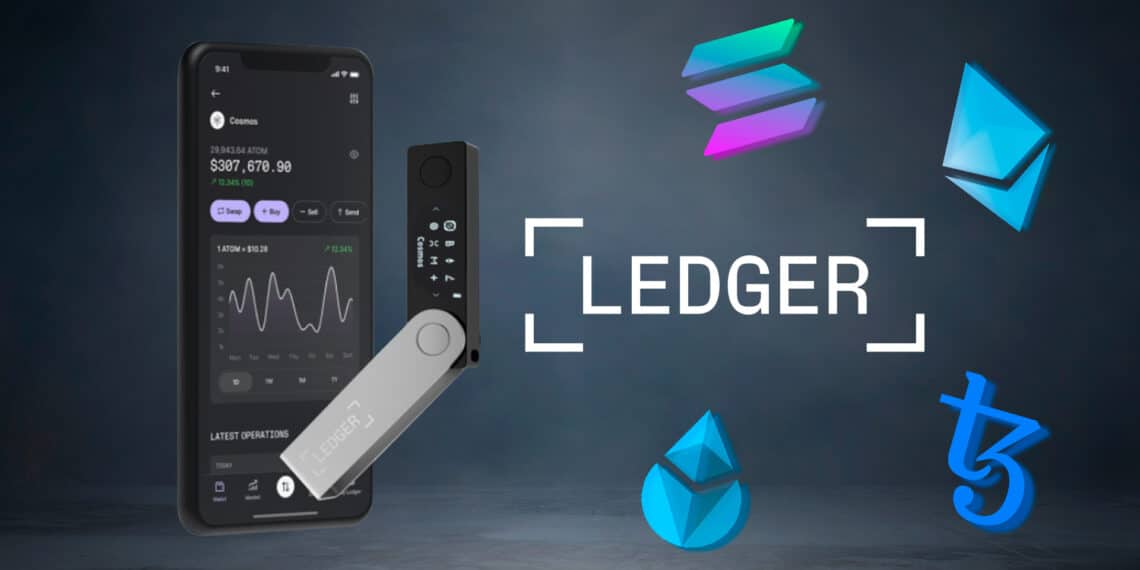
Use the official Ledger management path. Install and run ledger live from a trusted machine when possible, and let it deliver firmware updates to your device. That single step is more than convenience; it ties update files to a known toolchain that Ledger can sign and you can verify visually on-device. On top of that, verify package signatures when available and read the release notes — quick scan first, deep read for significant upgrades.
Buy from authorized sellers. Seriously. Counterfeit devices exist and they’re a nightmare. If your device arrives with pre-set credentials, return it immediately. Initialize the device yourself, on-device, not on any computer prompts. My first impression years ago was to trust packaged devices — big mistake — and since then I’ve always factory-reset and initialize anew when in doubt.
Hmm… about passphrases: they’re powerful but dangerous. A passphrase creates a hidden wallet that behaves like a second, separate account tied to your seed. Use it if you know how to manage it because if you forget the passphrase, you lose access forever. On one hand, added security. On the other hand, it adds complexity and user-responsibility that some folks will botch. Choose your trade-off.
Don’t rush updates mid-transaction. If you’re mid-swap or moving funds, pause. Updates can take time and occasionally require reboots that complicate an in-flight operation. Also, back up your recovery phrase before major updates — not by typing it anywhere, but by ensuring it’s securely stored in multiple, resilient forms (steel plates, geographically separated safes). Redundancy is not glamorous; it’s necessary.
Supply-chain risks are real. There are plausible attack scenarios where a device is altered before it reaches you. So, inspect packaging, seals, and device behavior. When you power on, the device should ask to create a new wallet or restore one using a seed you control; if it already has accounts or apps installed, send it back. That simple check stops many scheme attempts cold.
On the software side, keep your host computer clean. A compromised computer can phish you with fake update dialogs or trick you into entering sensitive info. Use a dedicated, updated machine when dealing with large holdings if you can. Consider an air-gapped setup for very large amounts — yes, it’s more work, but for long-term cold storage it’s worth it. Multisig setups are also a great hedge here; distributing trust reduces single points of failure.
Something felt off about the messaging Ledger sends sometimes, which is why I recommend reading the exact update prompt on-device and comparing it to announcements from official channels. Phishing emails mimic «security updates» frequently. Verify via official sources, not random links. If you want a quick route, the app «ledger live» will surface legitimate firmware updates and is designed to minimize man-in-the-middle manipulation.
When an update is significant — cryptographic changes, bootloader upgrades, new seed formats — pause and research. Go to community forums, developer release notes, or security write-ups. Initially I thought keeping up with every detail was overkill, though after a messy rollback scenario once, I now always triple-check. Rollbacks can brick a device if done incorrectly; follow official recovery paths.
For protecting the recovery phrase: steel backup, distributed storage, and discrete location selection are your friends. Don’t photograph the seed. Seriously. No cloud backups, no email drafts, no text messages. A laminated paper backup in a bank safe deposit box is okay, but consider steel for fire and flood — plastic burns, paper disintegrates, steel survives. And yes, redundancy: multiple copies in separate locations.
On-device verification: the Ledger screen is the last honest interface you have when signing transactions. Always verify the destination address on the device’s screen for large transactions. If the host software shows one address and the device shows another, trust the device. There are malware strains that alter the address in host software while the device is unaware — very sneaky. That mismatch is a lifesaver if you catch it.
Think about physical security too. Your device is valuable. Store it securely. If someone obtains both your device and your PIN, they can coerce the device. Use strong PINs; avoid obvious combos. Consider splitting responsibilities: have one person hold the device and another hold the recovery seed stored separately — it’s a low-tech multisig of trust that helps in family or business contexts.
Common questions about firmware, keys, and Ledger
Do I have to update firmware every time?
No. But evaluate updates. Minor patches that fix bugs or vulnerabilities are worth applying. Major upgrades may change features or require additional steps. You’re not obligated to be first; wait a week if you want to see community feedback. That said, delaying security patches indefinitely is risky.
What if Ledger Live is down or I don’t trust the computer?
Use a clean, alternate machine or phone, and verify updates via official Ledger channels or community reports. For very high value, perform updates using an air-gapped workflow recommended by security professionals, or coordinate with a hardware security expert. And again, never enter your recovery phrase into a computer or web form under any circumstances.
Is a passphrase necessary?
No, but it’s an extra security layer. It can protect funds even if your seed is exposed. However, it increases the chance of permanent loss if you forget it. I’m not 100% sure it’s the right choice for everyone; evaluate your operational security and how well you manage additional secrets.
