
Accrued expenses are payments or liabilities you record before processing the transactions. For example, if your business receives a utility bill in January for electricity used in December, you’d record that cost as an accrued expense in December. With an accrual, you record a transaction on your financial statement as a debit or credit before actually making or receiving the payment. By recognizing revenue earned or expenses incurred ahead of the transaction, you gain a more precise, forward-looking perspective on your finances. The receipt of payment doesn’t impact when the revenue is earned using this method.
- The balance sheet also provides a precise snapshot of a company’s assets and liabilities.
- In accrual accounting, you document accruals through journal entries at the end of each accounting period.
- These concepts of accrual vs deferral are important concepts that play a vital role in the recognition of incomes and expenses of a business.
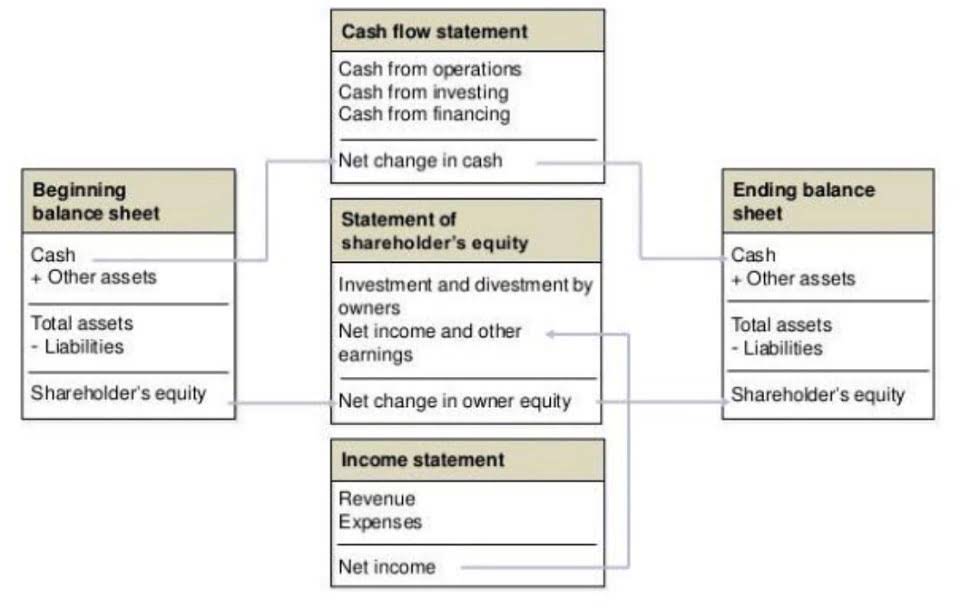
- Accruals and deferrals may have a significant effect on the main three financial statements.
Key Differences Between Accruals and Deferrals
A deferral of an expense or an expense deferral involves a payment that was paid in advance of the accounting period(s) in which it will become an expense. An example is a payment made in December for property insurance covering the next six months of January through June. The amount that is not yet expired should be reported as a current asset such as trial balance Prepaid Insurance or Prepaid Expenses. The amount that expires in an accounting period should be reported as Insurance Expense. But instead of listing incomplete transactions as expenses, deferrals treat completed transactions as assets. It converts them to expenses later in the fiscal year, usually after the delivery of all products and services.

Deferred expenses
- Let’s say a customer makes an advance payment in January of $10,000 for products you’re manufacturing to be delivered in April.
- However, the deferral incomes are still recorded as a liability and the deferral expenses are recorded as assets of the business.
- The receipt of payment doesn’t impact when the revenue is earned using this method.
- Accrued expenses, or accrued liabilities, represent expenses a business has incurred but not yet paid.
- You’ll defer the remaining $50 to a later accounting period, typically at year-end or whichever period aligns with the subscription’s expiration date.
Accruals occur when the exchange of cash follows the delivery of goods or services (accrued expense & accounts receivable). Deferrals occur when the exchange of cash precedes the delivery of goods and services (prepaid expense & deferred revenue). Journal entries are booked to properly recognize revenue and expense in the correct fiscal year. The deferrals are incomes that a business already receives cash for but has not yet earned or expenses that the company has already paid for but hasn’t yet consumed.

Ready to save time and money?
For example, if you’ve completed a service or issued a loan and expect an interest payment to arrive later, you can record the expected amount as accrued revenue for the current accounting period. Accruals and deferrals don’t have a direct impact on the company’s cash flow statement as this statements only recognizes cash revenues and expenses. Accrued incomes are incomes that have been delivered to the customer but for which compensation has not been received and customers have not been billed. Accrued expenses are expenses that have been consumed by a business but haven’t been paid for yet. Deferred incomes are incomes that the business has already received compensation accruals and deferrals for but have not yet delivered the related product to the customers. Deferred expenses are expenses for which the business has already paid for but have not consumed the related product yet.

Grouch also receives an invoice for $12,000, containing an advance charge for rent on a storage facility for the next year. Its accountant records a deferral to push $11,000 of expense recognition into future months, so that recognition of the expense is matched to usage of the facility. Suppose your company receives a utility bill for $1,000 in January for electricity you used in December. Since you used the service in December, you record the cost as an accrued expense for that period even though you haven’t made the payment yet. Likewise, you’ll often categorize employee salaries and wages as current liabilities and document them as accrued expenses on your balance sheet. Accruals involve recording income and expenses when they are earned or incurred, regardless of when cash is exchanged, while deferrals postpone the recognition of income or expenses until the cash is actually exchanged.
- Hence, the business must record the expense in the month it is consumed rather than the month it pays for the expense.
- The adjusting journal entries for accruals and deferrals will always be between an income statement account (revenue or expense) and a balance sheet account (asset or liability).
- Initially, receiving this cash increases the company’s cash balance but also creates a liability on the balance sheet, reflecting the obligation to the customer.
- This method ensures that the expense is recognized in the period the benefit is received.
These are adjusting entries, known as accrual and deferral accounting, used by businesses often to adapt their books of accounts to reflect the accurate picture of the company. So, when you’re prepaying insurance, for example, it’s typically recognized on the balance sheet as a current asset and then the expense is deferred. The amount of the asset is typically adjusted monthly by the amount of the expense. Deferrals involve transactions where cash changes hands before the revenue is earned or the expense is incurred. These adjustments ensure that revenues and expenses are recognized in the period they are genuinely earned or consumed, Mental Health Billing not just when the cash is received or paid.
