
There is ample evidence on the comorbidity of problematic alcohol use and depression (Boden & Fergusson, 2011; Di Florio et al., 2014; Kessler et al., 2003; Kushner et al., 2000; Martins & Gorelick, 2011; Petersen et al., 2019; Schuckit, 2006; Udo & Grilo, 2019). It is known that people with comorbid alcohol use disorder and depression tend to drink more, report poorer mental health, and relapse more quickly than people without comorbid depression (Burns & Teesson, 2002; Burns et al., 2005). It can also affect the progression and severity of both problems or the individual’s self-care, as well Sober living house as their adherence to treatment and its results (Mäkelä et al., 2015; Oliveira et al., 2018). Consistent with these findings, some studies also report that alcohol misuse or abuse is higher among those with depression than in the non-clinical population (Grant et al., 2015; Martins & Gorelick, 2011; Murphy et al., 2013; Palzes et al., 2020). Another way alcohol can negatively impact our mental health and increase feelings of anxiety and depression is through poor quality sleep. Alcohol changes our body’s sleep schedule and stops the important REM sleep, which helps our minds and emotions recover.
- Another SOA of 100 ms will be added to the paradigm in the proposed study to be able to capture automatic initial reactions (see 91).
- This can include setting a goal to go a certain amount of time without alcoholic beverages or gradually reducing the amount you consume.
- The study complied with General Data Protection Regulations as well as UCC regulations for IT protection.
- You don’t have to battle the depression alone and relying on alcohol to make you feel better will only cause further pain.
Frequently Asked Questions About Alcohol Addiction Among Military Personnel & Veterans

Instead, they place a bandaid over the problem while the stress festers below the surface. All individuals willing to participate in the study have to complete an online screening in advance of the main assessment, where basic demographic variables as well as all in- and exclusion criteria are assessed. Further, the usual alcohol consumption is measured using a self-administered timeline follow-back consisting of a calendar on which participants provide retrospective reports of average daily alcohol intake for the past 30 days 58. The information on daily alcohol consumption is used to allocate participants to the groups of regular and risky drinkers.
- If you drink in moderation to address stress, you may want to consider some other ways of coping.
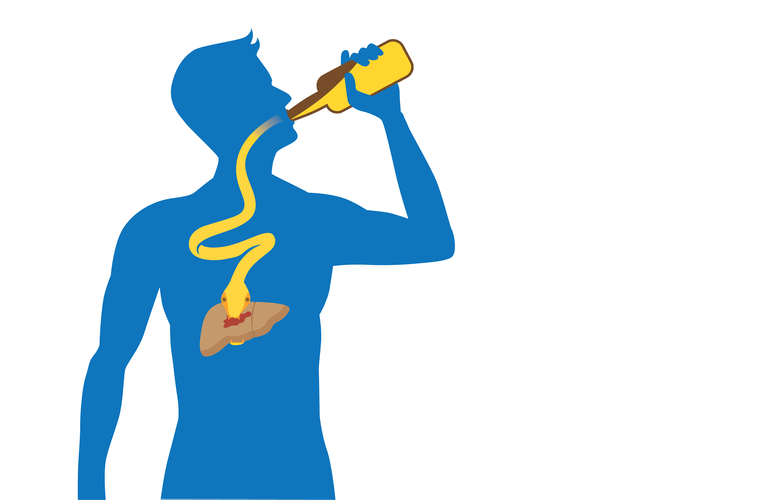
- Prolonged and excessive alcohol consumption can disrupt the delicate balance of chemicals in the brain, leading to an increased risk of developing or exacerbating depressive symptoms.
- All analysis including cortisol secretion during the TSST will be run twice with all participants in the first and with exclusion of non-responders to the TSST (increase of 1.5 nmol/l compared to baseline 114) in the second run.
- For example, a person may have a family history of depression, which gives them a genetic vulnerability.
There’s One Clear Choice for Your Co-Occurring Treatment and Recovery Needs
Besides, robust linear regressions will complement conventional linear regressions because they down weight observations with large residuals to meet the assumption of equal variances of residuals. Composite measures of the entire cortisol secretion during the TSST (area under the curve with respect to ground; AUCG) and the cortisol stress reactivity (area under the curve with respect to increase; AUCi) will be calculated 112. Analysis with these variables will be adjusted for initial cortisol concentration to alleviate confounding risk as AUC variables may be comprised of variance due to stress reactivity and stress-unrelated HPA axis activity 113. All analysis including cortisol secretion during the TSST will be run twice with all participants in the first and with exclusion of non-responders to the TSST (increase of 1.5 nmol/l compared to baseline 114) in the second run. With regard to alpha-amylase, both AUC measures and peak minus baseline levels will be calculated. Finally, there are the consequences and lifestyle changes that come along with drug and alcohol abuse.
Family therapy
Additionally, individuals with a family history of alcoholism may be more prone to using alcohol as a coping mechanism, as they may have observed this behaviour growing up. Karlie is originally from Dayton, Ohio, and began her education in psychology at the University of Cincinnati. She participated in research studying ADHD in children, mindfulness and anxiety, and embodied cognition.
This lack of pleasure chemical can lead to withdrawal symptoms (such as anxiety, depression, or intense cravings for a drink) while leaving the original problem we were seeking relief from unresolved. Additionally, people trained to support those living with depression often lead or organize such groups, so it can be an excellent way to learn additional coping skills. Research shows that meditation is effective in relieving depression symptoms, and the benefits may last long-term. Some people meditate as part of their regular yoga practice, along with practicing gratitude, or independently. Emotional coping skills can help to alleviate and prevent symptoms of depression by improving self-esteem and decreasing the risk of suicidal thoughts and suicide. Mindfulness is becoming aware of and drawing attention to thoughts, feelings, emotions, breath and/or your senses, things in the environment, and more.
Recognizing Symptoms of Depression After Drinking
Holistic strategies, including lifestyle changes like exercise and mindfulness, further support brain and emotional healing, while aftercare programs and support networks provide long-term accountability. First, the cross-sectional nature of our data precludes drawing predictive, causal conclusions. Consequently, future research using longitudinal or experimental designs is needed to clarify the relationships among mental illness stigma, emotion dysregulation, and substance use coping.
It’s also worth noting that the line between safe and unhealthy drinking can be blurred. A person who drinks in moderation on a regular basis may still be at risk of negative consequences, especially if they drink in certain contexts or have underlying health conditions. Similarly, a person who binge drinks on occasion may not necessarily be considered an alcoholic, but they are still putting themselves at risk of harm. By understanding the difference between safe and unhealthy drinking, and recognizing early signs of the latter (if any), you can improve your overall health, quality of life and well-being. Many specific behavioral and cognitive coping strategies were significantly related to drinking outcomes, including 13 urge-specific and 18 general lifestyle strategies, while other strategies were unrelated.

Accessing professional help can assist you in assessing your situation comprehensively and give you access to guidance tailored to your individual recovery needs. If you’ve become physically dependent on alcohol, managed alcohol withdrawal and alcohol detox under medical supervision may be necessary to begin the treatment process. Following the completion of a residential program, transitioning to an outpatient rehab program can provide ongoing therapeutic engagement and support to help you maintain sobriety and manage depression while reintegrating back into your daily life. Reaching out to alcohol as a coping mechanism your friends and family for support can provide invaluable encouragement and guidance. Involving your loved ones in your recovery process can strengthen your support network and foster a sense of connection and belonging, both of which are essential aspects of the healing process. In severe cases, you may feel like you are too depressed to work, function, or do anything.
- Family therapy can help create a safe “container” where you can examine how your closest relationships are impacting your thoughts, feelings, and behaviors — including alcohol.
- Mental health providers can help you develop mindfulness through guided exercises.
- Talk to a GP or your local community alcohol service who will be able to get help for you to reduce your drinking safely.
- The cycle of alcoholism and depression is not permanent, but it requires a holistic and integrated treatment approach to overcome.
Second, although we examined a large age range (17–30 years), diagnostic was not collected until ages 28–30, thus, baseline diagnostic data is not available. The emergence of symptoms during earlier periods of development may be relevant, too, and should be incorporated in future studies. These effect sizes were generally small to moderate in magnitude, which may be due in part to the 5–7 year gap in assessments from https://abeye.org/how-to-identify-and-address-loneliness-in-recovery/ ages 23 to 28–30.
Common barriers to treatment in this population include being emotionally unprepared for treatment, feeling that treatment is unnecessary, reluctance to seek help, fear of stigmatization or repercussions, and a lack of time to access care. If you’re a military veteran seeking help for alcohol addiction, The Recovery Village Ridgefield is ready to assist you. We are a part of the VA Community Care Network and offer specialized group therapy sessions tailored to trauma. Reach out to one of our Recovery Advocates today to learn more about the available treatment options and embark on your path to recovery. Unfortunately, alcohol misuse is deeply ingrained in military culture, where it’s often considered a norm. Researchers have observed that alcohol consumption is an integral part of military life.
